
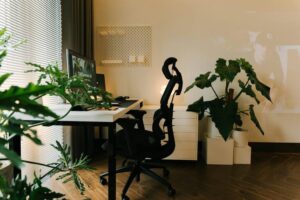
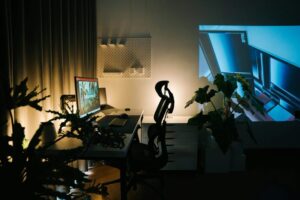

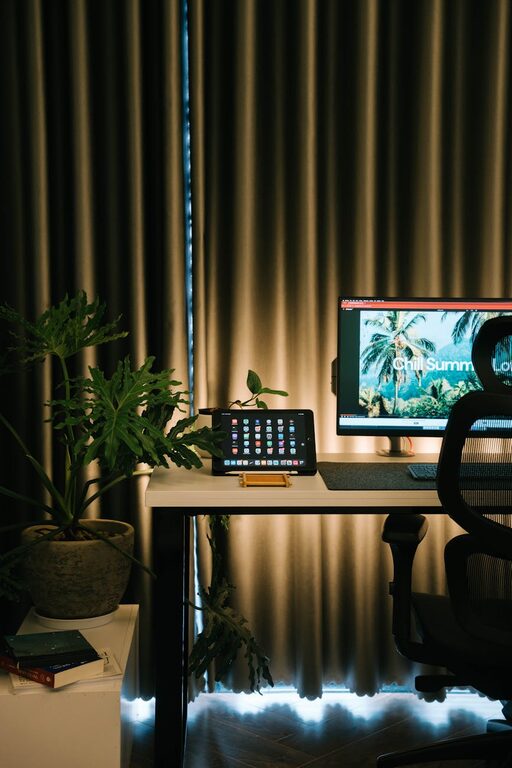
Creating a home workspace that feels relaxing yet productive is essential in today’s world, where more people work from home or pursue creative projects. When your workspace supports comfort and focus, you can manage tasks more efficiently and enjoy your workday. Here are helpful tips to design a home office that balances calmness with functionality.
Choose a Quiet, Dedicated Space
Finding the right location for your workspace is the first step. Ideally, select a room or corner that is quiet and separate from high-traffic areas in your home. This helps reduce distractions and signals to your mind that this is a spot for work.
If space is limited, create boundaries using room dividers, plants, or furniture arrangement. Even a small nook with a dedicated desk can serve as an effective workspace if organized thoughtfully.
Invest in Comfortable Furniture
Comfort is key to maintaining focus and preventing physical strain. Consider these furniture essentials:
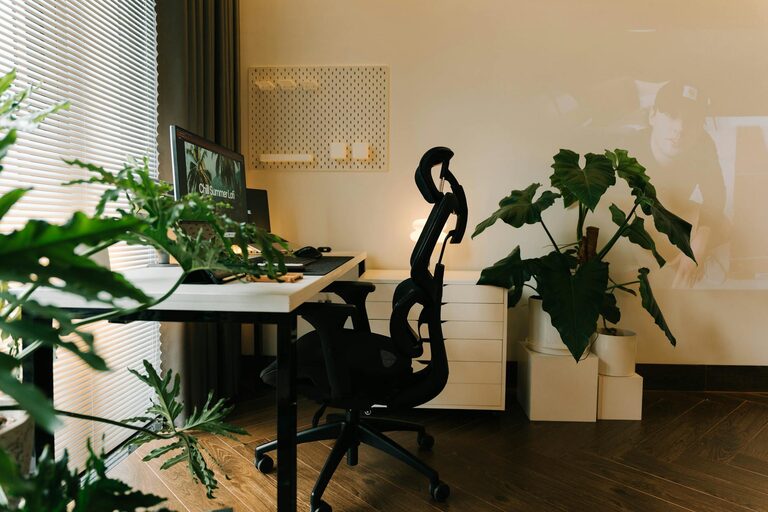
– Ergonomic Chair: Choose a chair with adjustable height, good back support, and comfortable cushioning. Proper posture reduces fatigue and discomfort.
– Desk at the Right Height: Your desk should allow your arms to rest comfortably with elbows bent at about 90 degrees.
– Footrest: If your feet don’t touch the ground easily, use a footrest to improve circulation.
Comfort doesn’t require expensive furniture. Many affordable options combine ergonomic features with style.
Optimize Lighting for Relaxation and Alertness
Lighting influences mood and productivity greatly. Follow these tips for ideal workspace lighting:
– Natural Light: Position your desk near a window to benefit from daylight, which can boost alertness and reduce eye strain.
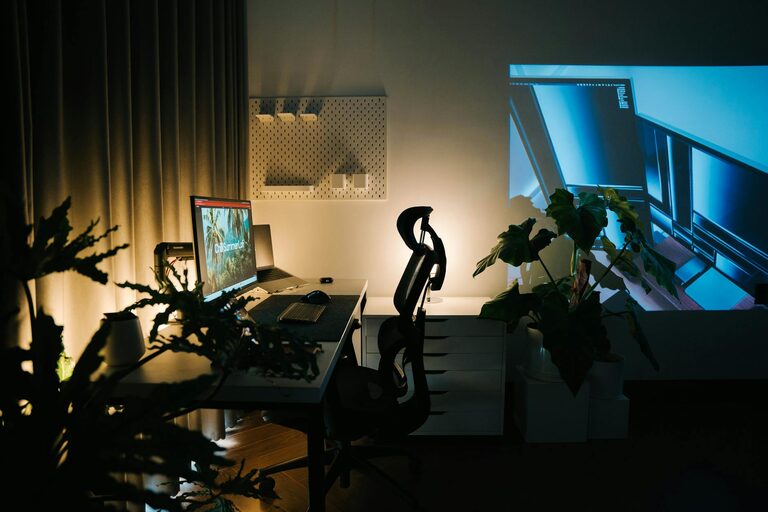
– Layered Lighting: Use a combination of overhead lights and desk lamps. Adjustable LED lamps with warm to cool settings let you customize brightness according to tasks and time of day.
– Avoid Glare: Position screens and lights to minimize reflections.
Good lighting creates a welcoming environment that helps you stay focused without feeling exhausted.
Keep Your Workspace Organized and Clutter-Free
A tidy space promotes a clear mind. Here are some ideas to keep your workspace organised:
– Storage Solutions: Use shelves, drawers, and organizers to keep supplies within reach but out of sight.
– Cable Management: Use clips or boxes to keep cords neat.
– Daily Clean-Up: Spend a few minutes at the end of each day tidying your desk.
By reducing clutter, you minimize distractions and stress.
Personalize Your Decor to Inspire Calm and Creativity
Adding personal touches can make your workspace feel inviting and pleasant, which fosters creativity and calm. Consider:
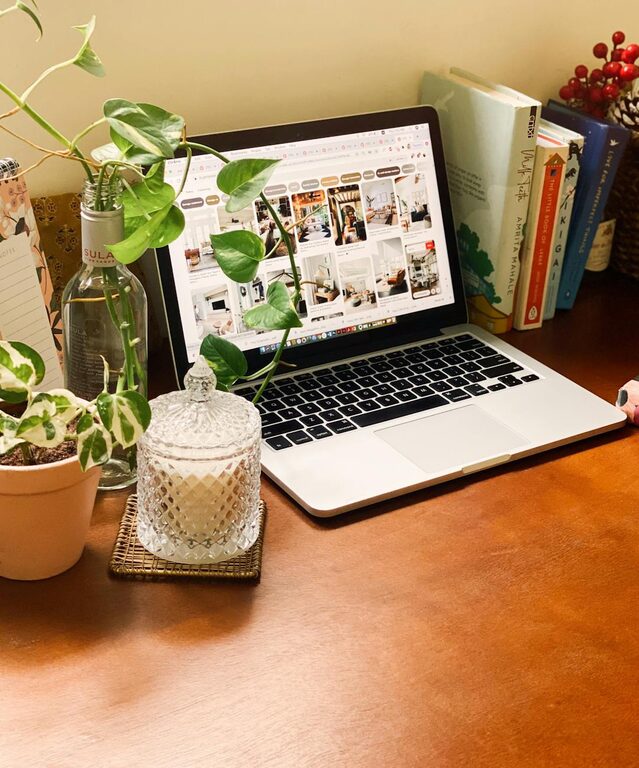
– Plants: Houseplants improve air quality and add a natural element.
– Art and Photos: Hang inspiring prints or family photos.
– Colours: Choose soothing colours such as soft blues, greens, or neutrals for walls and accessories.
– Textures: Incorporate soft rugs or cushions for comfort.
Just avoid overcrowding the space—less is often more.
Incorporate Break Areas or Movement Options
Taking breaks and moving during work hours supports well-being and productivity. You might:
– Include a comfortable chair or cushion for short rests.
– Use a standing desk or adjustable workspace to alternate between sitting and standing.
– Keep a yoga mat or small space for stretches.
Changing posture and moving periodically helps reduce fatigue and refreshes your mind.
Manage Noise with Sound Solutions
Background noise can be distracting or stressful. Depending on your environment, try:
– Noise-Cancelling Headphones: They block interruptions and help concentration.
– Soft Music or White Noise: Playing calming sounds can drown out disruptive noises.
– Soundproofing: Add rugs, curtains, or acoustic panels if noise is a persistent issue.
A peaceful sound environment supports a relaxed yet focused mindset.
Maintain Good Air Quality and Temperature
Comfort includes proper ventilation and temperature control:
– Open windows regularly for fresh air.
– Use fans or heaters as needed to maintain a comfortable temperature.
– Avoid overly dry or humid conditions by using humidifiers or dehumidifiers if necessary.
Breathing fresh air and working in a comfortable climate improves alertness and mood.
Set Boundaries and Establish a Routine
Finally, a relaxing workspace benefits from clear routines and boundaries:
– Define your working hours and breaks.
– Inform family or housemates of your schedule to minimize interruptions.
– Avoid mixing work with leisure in the same space outside working hours.
Establishing structure helps your brain separate work from rest, contributing to better focus and relaxation.
—
By following these tips, you can create a home workspace that feels like a sanctuary—a place where productivity and comfort naturally blend. A well-designed workspace is an investment in your well-being and effectiveness, making workdays more enjoyable and less stressful. Start with small changes and tailor your environment to suit your preferences and needs. Your future self will thank you!